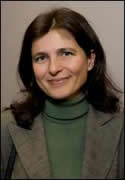
Dilsen Colak, Turkey, Leader

Dilşen Çolak, MD

Dilsen Colak, MD

Medical Oncologist
Health Ministry Diskapi Education and Training Hospital
Ankara, Turkey

E-mail: dilsencolak@yahoo.com

Dr. Colak is an attending medical oncologist at the Health Ministry Diskapi Education and Training Hospital. She is committed to integrating palliative care into existing healthcare system. She is interested in increasing the understanding of palliative care among public and health care professionals.

Download and Read Dilşen’s Personal Story (260 KB)

Education / Honors

  • Graduate, International Palliative Care Leadership Development Initiative, The Institute for Palliative Medicine at San Diego Hospice, San Diego, CA, and OhioHealth, Columbus, Ohio, USA, 2012-2014
  • Medical Oncology Fellowship, Baskent University, Ankara, Turkey, 2004-2007
  • Internal Medicine Fellowship, HM Ankara Education and Training Hospital, 1999-2003
  • Medical Degree, Hacettepe University, Ankara, Turkey, 1993

Key Publications
Journal articles:

  • Akşahin A, Çolak D, Altınbaş M. Kanser Hastalarında Psikososyal Sorunlar (Psychosocial problems in cancer patients). Ortadoğu Tıp Dergisi. Mart 2010; sayfa 50-53. Colak D, Ozyilkan O, Akcali Z
  • Akşahin A, Çolak D, Altınbaş M. Kanserde Psikososyal Destek-Onkoloğun Rolü (Psychosocial Support in cancer- The role of oncologist). Ortadoğu Tıp Dergisi 2009: Aralık; 22-27.
  • Akçalı D, Çolak D. Kanser hastalarında palyatif bakım ve yaşamın sonu (Palliative care and end of life care in cancer patients). Clinic Medicine Nisan 2007, 66-70.
  • Çolak D, Özyılkan Ö. Kanser hastalarında palyatif tedaviler (Palliative treatments in cancer patients). Türkiye Klinikleri. (Kanser Rehabilitasyonu Özel Sayısı) 2006; 2(10):1-10.
  • Tanrıkol G, Kaya P, Çolak D, Alkış N, Özyılkan E. Onkolojik hastalarda yaşam kalitesinin değerlendirilmesi (Evaluation of life quality in cancer patients) Klinik Bilimler ve Doktor 2, 122-126, 2005.

Book

  • Colak D, Ozyilkan O. Metabolic Problems, 80-86. European Society for Medical Oncology. Handbook of Advanced Cancer Care. Ed. Raphael Catane. Taylor & Francis, 2006

Key Presentations

  • Dünyada ‘hospice’ uygulamalarına örnek. Türkiye’de evde bakım ve ‘hospice’ hizmetinin durumu. (Examples of Hospice. Implementation of home care and hospice in Turkey). Anadolu Tıbbi Onkoloji Derneği Onkolojide Palyatif Bakım ve Terminal Hastaya Yaklaşım Sempozyumu, Gaziantep, Turkey, 27-30 Mayıs, 2010.
  • Truth telling of diagnoses and prognosis. European Society of Medical Oncology Course on Palliative Care in Oncology, Ankara, Turkey. November 17-18, 2006.
  • Quality of life for patients with non-small cell lung cancer. MASCC 17th International Symposium-June 30-July 2, 2005.


About the International Palliative Care Leadership Initiative (LDI) at the Institute for Palliative Medicine at San Diego Hospice (100 KB)

Read About Other International Leaders

Leaders Page

Subscribe to IPCRC.net

New videos and content are released weekly. Be the first to know and share with your colleagues.

IPCRC.net Newsletter

Or text 22828 to "TreatThePain" to join our email list

RSS FEED: RSS Feed

Follow us on:

Donate to the IPM International Programs

Partners generously supporting the International Leadership Development Initiative:

Posted in Cohort 2, International Leaders, Leaders | Comments Off on Dilsen Colak, Turkey, Leader

Esther Ngunju Cege-Munyoro, Kenya, Leader

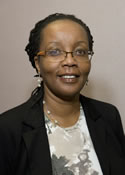
Esther Ngunju Cege-Munyoro, MD

Esther Ngunju Cege-Munyoro, MD

Coordinator, Palliative Care Unit
Kenyatta National Hospital
Nairobi, Kenya

E-mail: drcege@wananchi.com

Dr Munyoro coordinates the palliative care unit at the Kenyatta National Hospital, Nairobi, Kenya. The unit serves to offer palliative care education to all local healthcare workers. She is particularly interested in improving pain management for both adults and children, especially those with life threatening illnesses for whom a good quality of life is a priority. She has lectured in various venues in Kenya and hopes to get Pain and Palliative care curriculums offered to all healthcare workers in Kenya.

Download and Read Esther’s Personal Story (200 KB)

Other Appointments

  • Member; Hospital Transfusion Committee, Kenyatta National Hospital
  • Board Member and Vice Chairperson, ‘Hope for Cancer Kids’ a group that lobbies for the welfare of children with cancer

Key Accomplishments

  • Co-Founder/Coordinator, Palliative Care Unit Kenyatta National Hospital; first Palliative care unit in a government hospital, 2007
  • Consultant, Introduction and offering support for the use of Oral Morphine in the Burns Unit at Kenyatta National hospital

Education / Honors

  • Graduate, International Palliative Care Leadership Development Initiative, The Institute for Palliative Medicine at San Diego Hospice, San Diego, CA, and OhioHealth, Columbus, Ohio, USA, 2012-2014
  • Trainer of End-of- life Nursing Education Consortium (ELNEC) International Training Program, 2009
  • Multi-professional Week in Palliative Care St Christopher’s Hospice London, 2006
  • Post-graduate training University of Cardiff Diploma in Palliative Medicine
  • Post-graduate training, University of Nairobi Medical School Department of Surgery, 1991
  • Medical Degree, University of Nairobi Medical School, 1985

Key Publications
Journal articles:

  • CEGE E.M 2008. Palliative Care in Kenya; Making it real. The Nairobi Hospital Proceedings Volume 11 , No 2 , April/ June 2008
  • Technical person on a research project. Quality of Life in Cancer patients in Kenya. Lead researcher Dr Zipporah Ali.
  • Technical person on a research on Quality of life in cancer patients with cancer wounds. Lead researcher Joyce Marete.

Key Presentations

  • Salzburg Open Medical Institute & Open Society Foundations Seminar in Palliative Care in Cancer, September 2010.
  • Joint paper, A focus on Essential Pain Medication Accessibility; the Kenyan Situation, at the Advocacy Workshop for Palliative Care in Africa; Jun 27th – 29th 2006. Oral Presentation.


About the International Palliative Care Leadership Initiative (LDI) at the Institute for Palliative Medicine at San Diego Hospice (100 KB)

Read About Other International Leaders

Leaders Page

Subscribe to IPCRC.net

New videos and content are released weekly. Be the first to know and share with your colleagues.

IPCRC.net Newsletter

Or text 22828 to "TreatThePain" to join our email list

RSS FEED: RSS Feed

Follow us on:

Donate to the IPM International Programs

Partners generously supporting the International Leadership Development Initiative:

Posted in Cohort 2, International Leaders, Leaders | Comments Off on Esther Ngunju Cege-Munyoro, Kenya, Leader

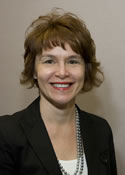
Snezana Bosnjak, Serbia, Leader

Snezana Bosnjak, MD, PhD

Snezana Bosnjak, MD, PhD

Research Professor, Institute for oncology and Radiology of Serbia, Belgrade, Serbia

E-mail: nena.bosnjak@gmail.com
Skype: snezana.bosnjak11
Twitter: @bosnjaksupport

Dr Bosnjak is devoted to integration of palliative care into oncology. She has been actively involved in educational activities in efforts to improve the availability, accessibility and affordability of opioid analgesics and other drugs essential for palliative care; efforts to improve relevant policy research in palliative and supportive care and in attempts to introduce the philosophy of supportive oncology into Serbia.

Download and Read Snezana’s Personal Story (300 KB)

Other Appointments

  • Member, Pain & Policy Studies Group (PPSG) / World Health Organization Collaborating Center International Expert Collaboration (IEC)
  • National WHO Counterpart for Pain Treatment
  • Member, Governmental Commission on Psychoactive Controlled Substances
  • Board of Directors, MASCC, 2010 – 2014
  • International Pain Policy Fellow (IPPF), Pain & Policy Studies Group, University of Wisconsin, 2006 – 2011
  • ATOME Project (Access to Opioid Medication in Europe), Academic Advisory Board Member, Member of the Serbian Team, 2010 – 2014
  • President, Palliative Care Commission (established by the Ministry of Health), 2008 – 2013
  • National Health Insurance Fund: cancer pain expert

Key Accomplishments

  • Member, the proposal development group: how to revise the regulations for prescribing and dispensing opioid medicines in Serbia (2013, in collaboration with the ATOME and PPSG)
  • Palliative Care expert for TV show “To Live Without Pain is a Human Right” which aired on May 20, 23, and 25, 2012.
  • Editor of supportive oncology chapter for the first Serbian website for cancer patients  (http://onkonet.rs)
  • Interview about supportive oncology  at: http://onkonet.rs/suportivna-onkologija.html )
  • Member, WHO 2011 Policy Guidelines Development Group (Ensuring Balance in National Policies on Controlled Substances)
  • Initiated collaboration with relevant governmental bodies, national authorities and professional societies, which resulted in improvements of opioid availability and education and change in overly restrictive policies on opioid use, IPPF, 2006-2011
  • President, PC Commission that wrote the National PC Strategy and its action plan ( adopted 2009) and proposal to amend the draft Law on Psychoactive Controlled Substances (adopted 2011)
  • First National opioid availability workshop (2010): lecturer, and co-chair (2010)
  • Participated in the drafting of the National Program ”Serbia Against Cancer” (topic: Pain, Palliative Care and Supportive Care), adopted 2009
  • Co-editor in chief for the first Serbian textbook on cancer pain (2007)
  • EAPC Task Force on the Development of Palliative Care In Europe: key collaborator for Serbia and Montenegro, 2005
  • Co-author of the first national Palliative Care Guidelines (2004)
  • First regional Symposium on supportive and palliative care (2004): lecturer and co-chair
  • Founder of the first Serbian outpatient service for cancer pain consultations at the IORS (1996)
  • Initiated and provided evidence for incorporating palliative and supportive care into comprehensive care of cancer patients at the Institute for Oncology and Radiology of Serbia, 1995-present

Education / Honors

  • Graduate, International Palliative Care Leadership Development Initiative, The Institute for Palliative Medicine at San Diego Hospice, San Diego, CA, and OhioHealth, Columbus, Ohio, USA, 2012-2014
  • International Visiting Scholar, San Diego Hospice and the Institute for Palliative Medicine, San Diego, CA USA, 2010
  • International Pain Policy Fellowship, Pain Policy, Wisconsin University, Wisconsin, July 6-7, 2006
  • Research Professor, 2004
  • International Visiting Scholar, , Centre for Palliative Care and Treatment of Pain, Hospital “Hotel Dieu”, Paris, France (2004)
  • International  Visiting scholar,  Sheffield Palliative Care Studies Group University of Sheffield, UK, (2003) 
  • Doctor of Medical Science (PhD), Oncology, School of Medicine, University of Belgrade, Serbia, 1995-1998
  • Clinical pharmacology in Clinical Pharmacology, School of Medicine, University of Belgrade, Serbia, 1993-1996
  • Master of Medical Science degree, Oncology, University of Belgrade, Serbia, 1989-1992
  • Doctor of Medicine, School of Medicine, University of Belgrade, Serbia, 1983-1989

Key Publications
Journal articles

  • Gralla, R; Bosnjak, S; Hontsa, A; Balser, C; Rizzi, G; Rossi, G; Borroni, M; Jordan, K(2013) A Phase 3 study evaluating the safety and efficacy of NEPA, a fixed-dose combination of netupitant and palonosetron, for prevention of chemotherapy-induced nausea and vomiting over repeated cycles of chemotherapy. Annals of Oncology Advance Access published March 14, 2014
  • Bosnjak S, Maurer MA, Ryan KM, Leon MX, Madiye G (2011) Improving the Availability of Opioids for the Treatment of Pain: The International Pain Policy Fellowship. Journal of Supportive Care in Cancer, 2011 19(8):1239‐1247
  • Bruera E, Moyano JR, Sala R, Rico MA, Bošnjak S, Bertolino M, et al. Dexamethasone In Addition To Metoclopramide for Chronic Nausea in Patients with Advanced Cancer: A Randomized Controlled Trial. Journal of Pain and Symptom Management 28:381-388, 2004
  • Milićević N, Bošnjak S, Gutović J, Nalić D, editors. Palijativno zbrinjavanje onkoloških bolesnika: nacionalni vodič za lekare u primarnoj zdravstvenoj zaštiti (Palliative care of cancer patients: national clinical practice guideline) 1.izd. Beograd: Medicinski fakultet Univerziteta u Beogradu; 2004
  • Roila F, Ballatori E, Bošnjak S, Tonato M, for the Italian Group for Antiemetic Research. Randomized, Double-Blind, Dose-Finding Study Of Dexamethasone In Preventing Acute Emesis Induced by Antracyclines, Carboplatin, or Cyclophosphamide. J Clin Oncol 22: 725-729, 2004
  • Bruera E, Lynn J Palmer, Bošnjak S, et al. Methadone verusus morphine as first line strong opioid for cancer pain: A randomized double-blind study. J Clin Oncol 22: 185-192, 2004
  • F. Roila, E. Ballatori, B. Ruggeri; V. De Angelis, Tonato, S. Bosnjak, A. Del Favero for the Italian Group for Antiemetic Research. Dexamethasone alone or in combination with ondansetron in the prevention of delayed nausea and vomiting induced by chemotherapy. New England Journal of Medicine 342: 1554-1559, 2000
  • S. Jelić, S. Radulović, Z. Nešković-Konstantinović, M. Kreačić, Z. Ristović, S. Bošnjak, N. Milanović, L. Vuletić: Cardioprotection with ICRF-128 (Cardioxane) in patients with advanced breast cancer having cardiac risk factors for doxorubicin cardiotoxicity, treated with the FDC regimen. Support Care Cancer 3: 176-182, 1995

Key Presentations

  • Promoting supportive care in developing nations (MASCC/ISOO annual meeting, 2014)
  • Olanzapine: nausea and vomiting (MASCC/ISOO annual meeting 2014)
  • The role of opioids in the treatment of persistent moderate to severe pain (UITBS 2014 Symposium)
  • Early integration of palliative care into oncology (WIP ALGOS International Symposium 2013)
  • Integration of palliative care in oncology workshop, Annual meeting of Serbian Oncologists, 2012)
  • State-of-the-Art of Pain Management: Focus on Opioids. ATOME Project, 2011
  • “Increasing Access To Opioid Medication – ATOME Project” and “International Guidelines for Pain Management with Focus on Opioids”, The XIIth Conference of the Romanian National Palliative Care Association with International Participation, 2011
  • Palliative Care of Patients with Lung Cancer (Annual meeting of Serbian Oncologists, 2011
  • Education in Palliative Care for Home Care Teams in Serbia: Palliative Care: Philosophy and Key Principles; Communication with Patient and Family; EEMMA Strategy in Symptom Management; Anorexia/Cachexia, 2010
  • Improving Access to Opioids: Have We Made Progress? (MASCC/ISOO International Symposium, 2010
  • Workshop on Cancer Pain Management: How To Organize Yourself As Advocate in Palliative Care: Case Study-Serbia, OSI Patient Advocacy Seminar, Budapest, June 29th-30th, 2009
  • Improving Patient Access to Palliative Care and Opioid Analgesics by Improving National Policies: Experience from Serbia, University of Wisconsin, Pain and Policy Studies group, Madison, USA, October, 2007

Resources


About the International Palliative Care Leadership Initiative (LDI) at the Institute for Palliative Medicine at San Diego Hospice (100 KB)

Read About Other International Leaders

Leaders Page

Subscribe to IPCRC.net

New videos and content are released weekly. Be the first to know and share with your colleagues.

IPCRC.net Newsletter

Or text 22828 to "TreatThePain" to join our email list

RSS FEED: RSS Feed

Follow us on:

Donate to the IPM International Programs

Partners generously supporting the International Leadership Development Initiative:

Posted in Cohort 2, International Leaders, Leaders | Comments Off on Snezana Bosnjak, Serbia, Leader

Charmaine Blanchard, South Africa, Leader

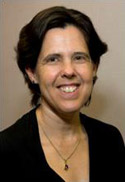
Charmaine Blanchard, MD

Charmaine Blanchard, MD

Head of Centre of Excellence for Palliative Care, Chris Hani Baragwanath Academic Hospital, Soweto, Johannesburg, South Africa

E-mail: vervet@iafrica.com
Skype: Charmaine Blanchard

Dr. Charmaine Blanchard is aiming to strengthen the clinical palliative care service at the Chris Hani hospital as well as initiating and supporting palliative care services at the district and primary care levels in our area. She would like to see this become a model for implementation of palliative care services in other districts in South Africa. In addition, the centre is involved in teaching undergraduate medical students as well as family medicine registrars in palliative medicine. She hopes to see this teaching expanded to other specialties. Her personal special interest is in the spiritual care of patients and of healthcare workers involved in palliative care. She also has a special interest in the preparation of medical students (emotionally and spiritually) for dealing with the emotional demands of caring for ill people.

Download and Read Charmaine’s Personal Story 200 KB

Other Appointments

  • Senior Lecturer. Faculty of Health Sciences. University of Witwatersrand

Key Accomplishments

  • Established the Gauteng Palliative Care Doctors’ Group in Gauteng in collaboration with Dr. Trish Luck of Big Shoes Foundation in Johannesburg. A support group for doctors working in palliative care in Gauteng to exchange information and ideas and to debrief on a monthly basis.

Education / Honors

  • Graduate, International Palliative Care Leadership Development Initiative, The Institute for Palliative Medicine at San Diego Hospice, San Diego, CA, and OhioHealth, Columbus, Ohio, USA, 2012-2014
  • Higher Certificate in Management at the Foundation for Professional Development, South Africa, 2010
  • Master of Philosophy in Palliative Medicine at University of Cape Town, Graduated 2009
  • Postgraduate Diploma in Palliative Medicine at University of Cape Town, Graduated 2004
  • MBBCh at University of Witwatersrand, Graduated 1998
  • Bachelor of Science (Honours) at University of Witwatersrand. Graduated 1993

Key Publications
Journal article

  • Blanchard C. Spiritual Aspects of Palliative Care. Continuing Medical Education 2011 Volume 9 No. 7

Key Presentations

  • Cervical Cancer and Palliative Care, Dr Charmaine Blanchard, Caring for Women with HIV. Johannesburg, South Africa, July 19 2011
  • Validating the FICA spiritual assessment tool in South Africa Dr Charmaine Blanchard and Workshop on the use of the FICA spiritual assessment tool. Dr Charmaine Blanchard and Rev Michelle Pilet at the Palliative Care – Mind, Body and Spirit International Conference, Hospice and Palliative Care Association of South Africa. South Africa: Cape Town, 2-4 December 2005


About the International Palliative Care Leadership Initiative (LDI) at the Institute for Palliative Medicine at San Diego Hospice (100 KB)

Read About Other International Leaders

Leaders Page

Subscribe to IPCRC.net

New videos and content are released weekly. Be the first to know and share with your colleagues.

IPCRC.net Newsletter

Or text 22828 to "TreatThePain" to join our email list

RSS FEED: RSS Feed

Follow us on:

Donate to the IPM International Programs

Partners generously supporting the International Leadership Development Initiative:

Posted in Cohort 2, International Leaders, Leaders | Comments Off on Charmaine Blanchard, South Africa, Leader

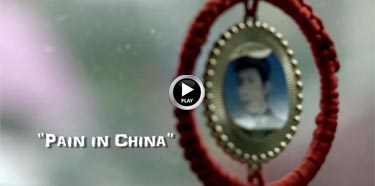
17. Pain in China

About this Video

Dr Mary Cardosa (Malaysia), Dr Andrew Young (China), Dr Anne Lee (Hong Kong), Faye Chan (Hong Kong), Dr Xishan Hao (China) provide notable quotes:

“There’s a cultural fear with the use of opioids, not just among the health care providers but also among the public,” reflects Dr Mary Cardosa (Malaysia). “Patients have the perception that; ‘if I use morphine that means I’m going to die’. Those are all factors that will reduce the use of these drugs and the treatment of pain.”

“Many of the patients in China, especially the terminal cancer patients, they do suffer severe pain in the course of dying” reports Dr Andrew Young (China).

“As Chinese we are very concerned about opium,” states Dr Anne Lee (Hong Kong).

“Some people say that it could be rooted back to our Chinese history with the Opium Wars,” considers Faye Chan (Hong Kong). “People are very reluctant. They are scared of dependence issues as well. Not just the public, sometimes the health care professionals.”

“Around 60 to 80 per cent of the doctors have opiophobia – they fear to use opiate drugs, or morphine,” reveals Dr Young.

“We try to see how Chinese medicine can help in pain control as well,” explains Dr Lee.

“Some forms of Chinese medicine also work,” continues Dr Xishan Hao (China). “They do not work as well as opioids. For severe pain they don’t work at all. But for the light pain at the beginning, Chinese medicine, and especially acupuncture, can play a role in cancer pain control.”

“When patients come to my hospice ward, I tell them; ‘I can guarantee you two things’,” explains Dr Young. “One is that the patient must die, and will die very soon. But the second promise is, ‘I promise and guarantee a peaceful dying for the patient.”

Call to Action

  • Invite a Chinese healthcare professional you know to watch this video and share it with colleagues
  • Ask what can be done to improve pain control in China
  • Share your experiences in the comments section below…

Supporting Resources

Posted in Treat the Pain | Comments Off on 17. Pain in China

16. Chronic Pain

About this Video

Dr Jay Thomas (USA), Professor Michael Cousins (Australia), Dr Natalya Dinat (South Africa), Dr Daniela Mosoiu (Romania), Don (USA) provide notable quotes:

“Pain’s one thing, most people experience pain in their lifetime – chronic pain though is a whole different animal,” reflects cancer patient Don (USA). “So for those of us that have had that, and they get relief from it, it gives us back our ability to really enjoy a lot of life.”

“Don had a lot of really severe physical pain,” explains Dr Jay Thomas (USA). “The cancer had actually eaten into nerves coming off his spine and caused a really severe form of pain – a lot of burning radiating pain – and it took a combination of medicines to try and get that pain under control pharmacologically.”

“It all encompassing,” confesses Don. “It can take your life away from you.”

“One in five Australians have chronic pain,” states Professor Michael Cousins (Australia). “And I have confidence that the same situation exists in most developed countries. Of those one in five people, one third of them are severely disabled by it.”

“Research has shown that chronic pain moves on to insomnia, people’s sleep patterns are disrupted, their general quality of life begins to decline if the pain isn’t addressed,” reports Dr Natalya Dinat (South Africa).

“Debilitating pain for me starts again on that scale at about 8 and with the right medicine you can you can take it down to a 3 or a 4,” explains Don.

“When you see a patient coming in with chronic pain you don’t realize how severe his pain is,” admits Dr Daniela Mosoiu (Romania). “Where with acute pain it’s all there in his face, sweating, colors and so on.”

“When you move over from acute pain to a chronic pain situation, you are dealing not with a symptom but you’re now dealing with a disease,” explains Professor Cousins.

“The absence of opioids in a chronic pain situation I think would be unbearable. I think, goodness, I think it would be easier to die,” confesses Don. “Absence of pain, at least in my case, that’s a dream, but definitely with the right expertise and the right doctors that pain should be more than manageable.”

Call to Action

Supporting Resources

Posted in Treat the Pain | 11 Comments

15. Nurse in the House

About this Video

We see Hospice Nurse Charlotte Komunda treating late stage cancer patient Beatrice in her home in Kampala, Uganda. She uses simple, effective gesture-based communication to rate Beatrice’s level of pain. African leaders describe the challenges they face to find enough prescribers in Africa. Martha Rabwoni (Uganda), Charlotte Komunda (Uganda), Eugene Murray (Ireland), Dr Faith Mwangi-Powell (Uganda), Dr Natalya Dinat (South Africa), Rose Kilwanuka (Uganda) and Beatrice (Uganda) provide notable quotes:

“Sometimes we visit patients in their homes because when the patient has to move it makes the pain worse,” explains Martha Rabwoni (Uganda). “The pain if is not treated, the patient is in total chaos – they cannot think, they cannot do anything, they concentrate all their mind on the pain – they cannot eat, they cannot dress, they cannot bathe, they cannot move. The relatives in that home – nobody sleeps.”

“Many developing countries still have a real problem about the use, importation and manufacture of morphine,” explains Eugene Murray (Ireland). “The second thing is having appropriate ways to distribute it. In Uganda, they dilute powdered morphine into water which is which is colored with a dye to indicate the three different strengths and is distributed by nurses in a community using recycled water bottles. That may seem very crude but in terms of pain control that is absolutely transformational.”

“We need morphine because most of the drugs don’t control the pain in cancer patients so morphine is very important,” states Nurse Charlotte Komunda.

“Uganda is at an advantage because doctors are allowed to prescribe [morphine] and nurses who have done their 9 month palliative care course can prescribe morphine,” explains Dr Faith Mwangi-Powell (Uganda). “But in other countries only doctors are able to prescribe. So sometimes you find that morphine is available but there’s no one to prescribe it.”

“For many people living in rural areas, or poor township areas, their first point of contact is with a nurse clinician,” continues Dr Natalya Dinat (South Africa).

“Currently we have over 120 nurses who have had specialist training in palliative care and are now able to prescribe it for the patients in the districts,” concludes Rose Kilwanuka (Uganda). “So at least as a country, we’ve increased our number of prescribers.”

Call to Action

  • Tell a nurse you know to watch this video
  • Then ask that nurse whether s/he is comfortable:
    1. assessing and giving morphine to control pain
    2. explaining to a patient and/or family how to administer morphine every 4 hours for constant pain
  • Share your experiences in the comments section below…

Supporting Resources

Posted in Treat the Pain | 3 Comments

14. Pain Control in Georgia

About this Video

Georgian leaders describe the challenges they face to improve access, emphasizing the importance of education. Dr Dimitri Kordzaya (Georgia), Dr Ioseb Abesadze (Georgia), Ketevan Khutsishvili (Georgia), Dr Tamari Rukhadze (Georgia), Dr Holly Yang (USA) provided notable quotes:

“Every society can be divided into three groups by taking into account their health condition,” explains Dr Dimitri Kordzaya (Georgia). “Healthy people – healthy group – ill but curable people, and incurable people.”

“Each country’s health care system must have three directions, three programs. For healthy people it is a preventative program. For ill but curable people it needs to have a curative program. But for the third group it’s necessary to have palliative care programs.

“During these past 10 years palliative care has become one of the real parts of classical medicine,” continues Dr Ioseb Abesadze (Georgia).

“We are having a big emphasis on pain relief and giving adequate access to pain relief to every patient in the country,” explains Ketevan Khutsishvili (Georgia).

We discover that patients in Georgia requiring strong pain medications like morphine are currently required to go to the police station to get their prescriptions filled.

“This is a very unpleasant development,” reflects Ketevan Khutsishvili. “It contributes to the stigmatization.”

“Currently we can only prescribe morphine for 7 days,” explains Dr Kordzaya, “This needs to be increased to 30 days.”

“Education is one of the first urgent priorities for us,” states Dr Tamari Rukhadze (Georgia).
“In other places you might have time set aside from your employer to get special training,” reflects Dr Holly Yang (USA). “Here, I don’t think that’s possible. So people are trying to work in their training around their jobs and their patients.”

“They’re giving a lot here and I have a lot of hope for Georgia. They’re willing to change their laws and their policies and they’re willing to do the education, so I’m very encouraged because there’s other places where that’s not true.”

Call to Action

  • Tell one influential person you know to watch this video, then ask what you can do to advance pain control and palliative care
  • Ask your doctor about her/his education in pain control
  • Find one thing you can do to improve pain control in your community
  • Share your experiences in the comments section below…

Supporting Resources

Posted in Treat the Pain | Comments Off on 14. Pain Control in Georgia

13. The Politics of Pain

About this Video

Global leaders provide concrete examples of the bureaucratic challenges. Mary Callaway (USA), Dr MR Rajagopal (India), Liliana de Lima (Colombia), Dr Stephen Connor (USA), Dr Kathleen Foley (USA), Dr Eva Rossina Duarte Juarez (Guatemala), Dr Natalya Dinat (South Africa) and Dr Meg O’Brien (USA) provide notable quotes:

“I think the one wedge issue that we’ve had in palliative care over the last several years is pain,” explains Mary Callaway (USA). “Nobody’s going to argue that people should suffer in pain. So nobody’s going to argue against it but there’s not enough action – that’s where the gap is. How do we get people in positions of authority to respond to that?”

Dr MR Rajagopal (India) identifies complex regulations as one of the main barriers and gives the example of the Narcotic Drugs and Psychotropic Substances Act of India, which runs to around 1,400 pages.

“In their effort to implement the [United Nations] Single Convention on Narcotic Drugs some countries have misinterpreted the Single Convention and adopted regulations and laws that are overly restrictive and actually hinder access to the medical and scientific needs,” explains Liliana de Lima (Colombia).

Dr Stephen Conner (USA) continues, “It’s really difficult to change these laws and regulations in some of these countries you really have to get every ministry within the government to agree to do it and typically the law enforcement and justice ministries are the most difficult.”

“Because of the abuse of prescription drugs the cancer patient has become an extraordinary victim in this,” states Dr Kathleen Foley (USA), “With heightened controls placed on access to those medicines for patients who are in terrible pain.”

“Most Latin American countries have similar problems,” reflects Dr Eva Rossina Duarte Juarez (Guatemala), “So they were very concerned about control and diversion but they didn’t realize the importance of having those medicines available for pain relief.”

“I don’t think these are bad people, “states Mary Callaway, “They just don’t know. And then, it’s not only that they don’t know but they don’t know what to do.”

Dr Natalya Dinat (South Africa) continues, “I think where the challenge lies in where there are competing priorities and who’s to say what’s more important – childhood immunization for example or maternal health care or pain relief – they’re all equally important. We don’t want to be placed in an either/ or situation.”

“I think it’s about saying as human beings that we should not be able to stand by and watch people suffer when we have the tools to relieve that suffering,” concludes Dr Meg O’Brien (USA).

Call to Action

  • Tell one policy maker, regulator or law enforcement official you know to watch this video
  • Then ask that person what you can do in partnership with her/him to advance pain management policy in your community
  • Share your experiences in the comments section below…

Supporting Resources

Posted in Treat the Pain | Comments Off on 13. The Politics of Pain

12. Back to School

About this Video

Global leaders describe the challenges and fears about the inclusion of pain education in medical curricula. Professor Joan Marston (South Africa), Dr Kathleen Foley (USA), Dr Cynthia Goh (Singapore), Dr MR Rajagopal (India), Dr Natalya Dinat (South Africa), Liliana de Lima (Colombia), Dr Anne Merriman (Ireland) and Dr Sophia Bunge (Argentina) provide notable quotes:

Professor Joan Marston (South Africa) reflects; “If you don’t have doctors and nurses who are adequately trained in pain management and how to use the drugs… it doesn’t matter how much morphine you’ve got in the country – it’s not going to get to the patients.”

“When the Institute of Medicine reviewed why we had so much difficulty in providing palliative care and providing access to pain relief,” states Dr Kathleen Foley (USA), “The report began ‘we’ve identified the problem and it’s us,’ i.e., the health care professionals.”

“Pain has never been a priority in the training of medical schools and nursing schools, “continues Dr Cynthia Goh (Singapore).

Dr MR Rajagopal (India) explains how medical students in his hometown of Trivandrum graduate without having seen a single tablet of oral morphine. We see Dr Rajagopal challenging students from Trivandrum Medical College; “Do you think there is something lacking from our medical education?”

Dr Natalya Dinat (South Africa) reflects on testimony from a peer proudly pronouncing that the ward they oversee in a large hospital in Johannesburg is “morphine sparing.”

Liliana de Lima (Colombia) reports, “When you look at what curriculums are out there for physicians and nurses, they are getting very little training if anything, and most of the countries do not even address the issue of pain evaluation.”

Dr Rajagopal reiterates a key principle during a nurse training session in Trivandrum, “This is the most important definition that we have: ‘Pain is what a patient says hurts’.”

Dr Anne Merriman (Ireland) continues; “In every country I’ve been into, the doctors are the biggest opposition, particularly the senior ones who have been trained that morphine is addictive and they think we’re making addicts out of everybody.

“I personally was afraid of using morphine when I started my internal medicine residency,” admits Dr Sophia Bunge (Argentina), “As if it was a really scary drug to use but it turns out it was really easy.”

“If all the physicians at least have some basic training on how to do appropriate pain assessment,” concludes Liliana de Lima, “I think that would make a difference.

Call to Action

  • Tell one leading educator you know to watch this video
  • Then ask that educator what you can do to advance pain management education in your community
  • Share your experiences in the comments section below…

Supporting Resources

Posted in Treat the Pain | Comments Off on 12. Back to School